Most of the product development in the enterprise space is remixed. The main source of inspiration comes from ledgers like Excel.
With the new onset of AI and continuos development of models. We are at a phase where software development is not hand coded. It is relatively zero cost to develop a tool.
Craig Mod [wrote]() about his usage of Claude code to develop a walking map archive with 3D rendering that was remixed from other software. He made it relatively effortlessly and was asking the question of utility.
> Going forward, by default all software will be whittled down to brass tacks: _Yeah, you made a fancy walk interface, but **what for**?_
Two things are happening here effectively, first is software is getting built cheaply based on an individual's self interest and second is it is built by remixing an existing application that the model has in its training data.
Built to order is the function of doing 1 and 2 for enterprises looking to build custom software that has n of 1 utility and a derived version of a product that is not adaptable to their own workflows.
****
### Everything is a remix
Visakan had this tweet and thought about "everything is a remix" and it stayed with me.
<blockquote class="twitter-tweet"><p lang="en" dir="ltr">imo the foundational one is that everything is a remix. there’s no such thing as an “original” idea, only ideas that feel fresh in particular context. and how you get to that is by learning about lots of ideas in lots of contexts. aggressively “view source” in all your interests</p>— Visakan Veerasamy (@visakanv) <a href="https://x.com/visakanv/status/2044436554777866246?ref_src=twsrc%5Etfw">April 15, 2026</a></blockquote> <script async src="https://platform.x.com/widgets.js" charset="utf-8"></script>
I even [[Fundamental frames|wrote]] a post on it mentioning the fundamental frames with which I approach starting up and business. The challenge as I concluded was to align people.
> The challenge of being open to implementing theoretical concepts is that you will eventually develop an intuition of what will work. Once you are attuned to a new concept, a large share of your work will involve aligning fellow collaborators to buy-in and see value in implementing the concept.
With AI, we can spend efforts on aligning people post we develop a prototype. We could substitute the time by building the remixed version of the solution in a relatively short time. Alignment is still needed but the prototype makes the job simpler.
***
### Deploying is not delivery
Enterprises find it hard to deploy any new technology adjacent to their core business. I tried to communicate this in [[Understandings Systems at work|the product building post]]. They run into the complicated nature of combining people and process.
Built to order is the approach of using new paradigms of AI , agentic development and replication capabilities in order to adopt software to an enterprise with incumbent system and process debt.
The skill over here is to discern the scope of the tool and shape it into a fit by remixing concepts from other products.
Scoping and shaping are different to requirement gathering. The approach to follow over here is [Boring Tiny Tools](https://vaughntan.org/bttparadigm), BTT. We remove the obstacle of trusting AI by building tiny artefacts of software that plug the gaps and don't make judgement calls.
The pace at which we can deliver once shaped is unmatched to before. Hence, It makes sense for foundation labs to partner with delivery shops, agencies and consultancies since they can work with enterprises to deploy AI^[Each and every frontier labs company is now partnering with consulting. Here is OpenAPI's partner [page](https://openai.com/business/partners/)] . It will be cheaper and faster delivery yet the remixing part of product development will still need consultation.
****
### Field Notes
I, along with my colleague [Simone Locci]()took part in a Hackathon. We opted for the built to order category of developing custom workspace in a project management product.
The first part of the process was scoping the request with the help of the customer. We asked about the intended purpose and current system to understand the limitation we will address and constraints we will adhere to.
Then we worked on shaping the tool by focusing on concepts we could adopt for it. I proposed to approach the workspaces of Notion to build this tooling. In the previous era, we would have used notion because time to develop would require heavy upfront investment. But now, we can remix its concepts to build a much more adaptable version with AI coding.
The idea was to connect a data source with the outcome of analysis for creating custom artefacts. Small features like, we took "@" column names of the dataset to remap if needed, developed primitive calculation to create new columns to dataset. Embed analysis with narrative explanation powered by AI.
Overall, we built a tool that removes the need for the customer of a project management tool to build custom reporting. It would serve both the top-down and bottom up approach of monitoring and understanding performance respectively.
****
### BTO using BTT
Combining built to order(BTO) approach with boring tiny tools(BTT), the framework allows software companies serving enterprise re-skill their professional services team to become consultants.
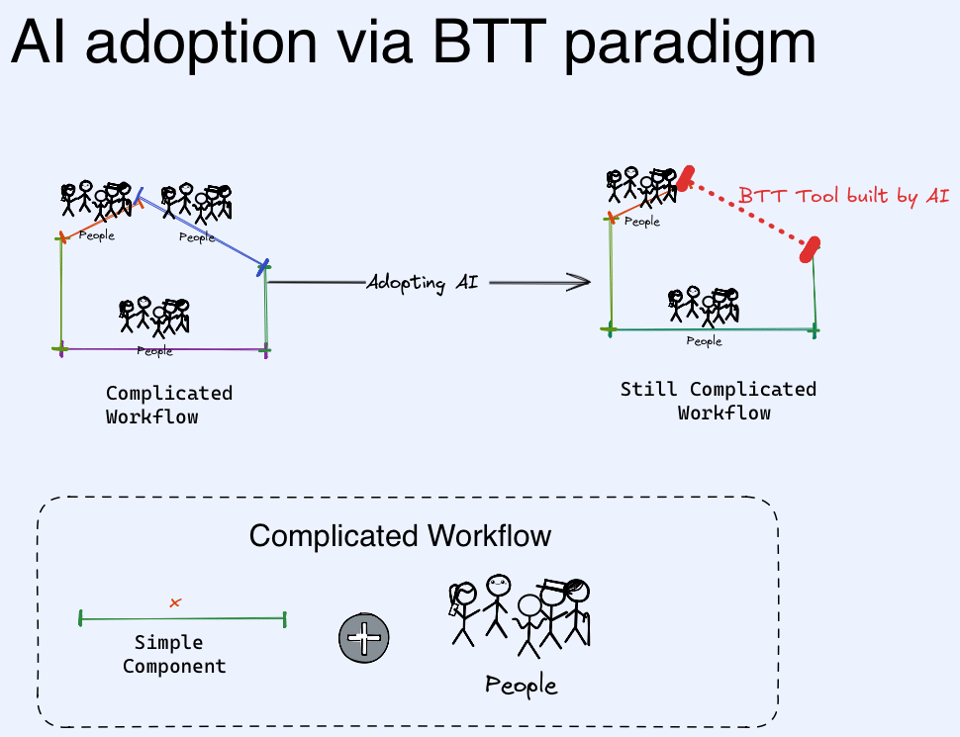
The profession still requires product management and software engineering tradecraft to ensure that it is safe and designed to be maintained rather than using AI to build a prototype.But most importantly it still benefits if there is an underlying [theory](https://buttondown.com/ontheside/archive/supply-and-demand-side-of-product-building/) being mapped to.
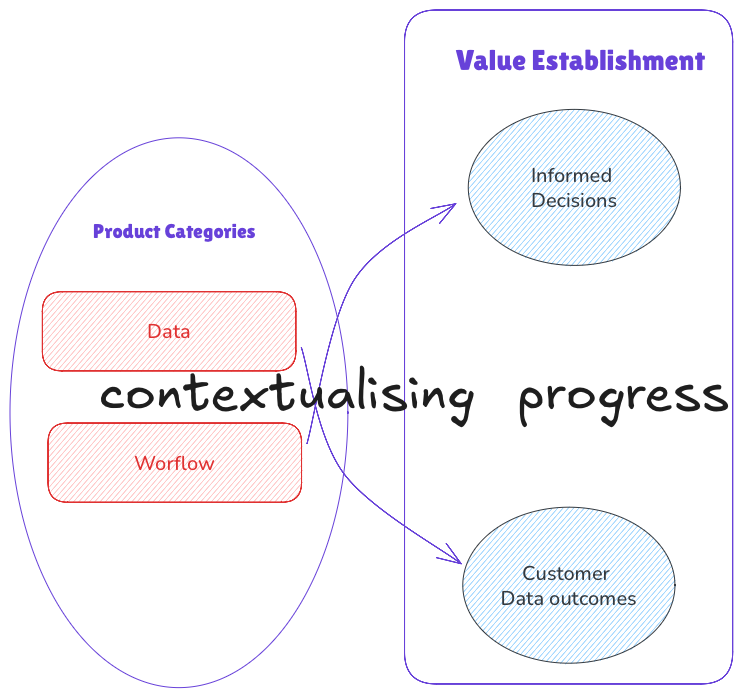
In the above field report, the [theory](https://buttondown.com/ontheside/archive/outlining-the-ai-adoption/) we were putting into effect was along the lines of using a workflow tool to discern data.
>
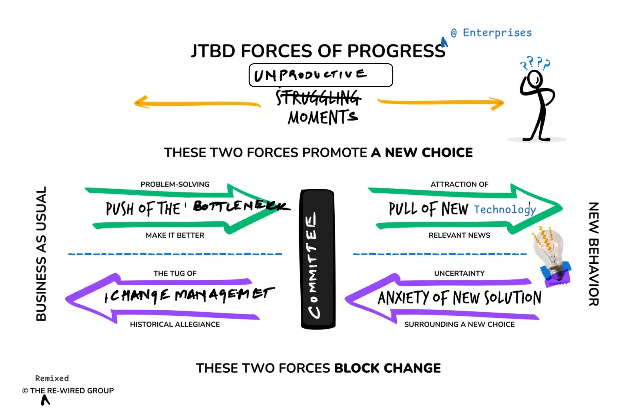
The next bit is based on how you frame it and charge for it. We follow the jobs to be done approach to progress in enterprises and base our pricing to the outcomes we deliver.
> 
Back to the field report, it was costing $5K with professional services to build those workspaces. It would drop down to $20 with AI. The projects managed for which these workspace would be generated could be in millions, if not billions.
The product economics flip to value based pricing as it is margin optimised. Anchoring pricing to the value created would be a very important step.
****
### Final thoughts
This is very early stages and the technology of AI is rapidly developing. The underlying models are dropping costs significantly and newer capabilities are evolving with every new release.
> 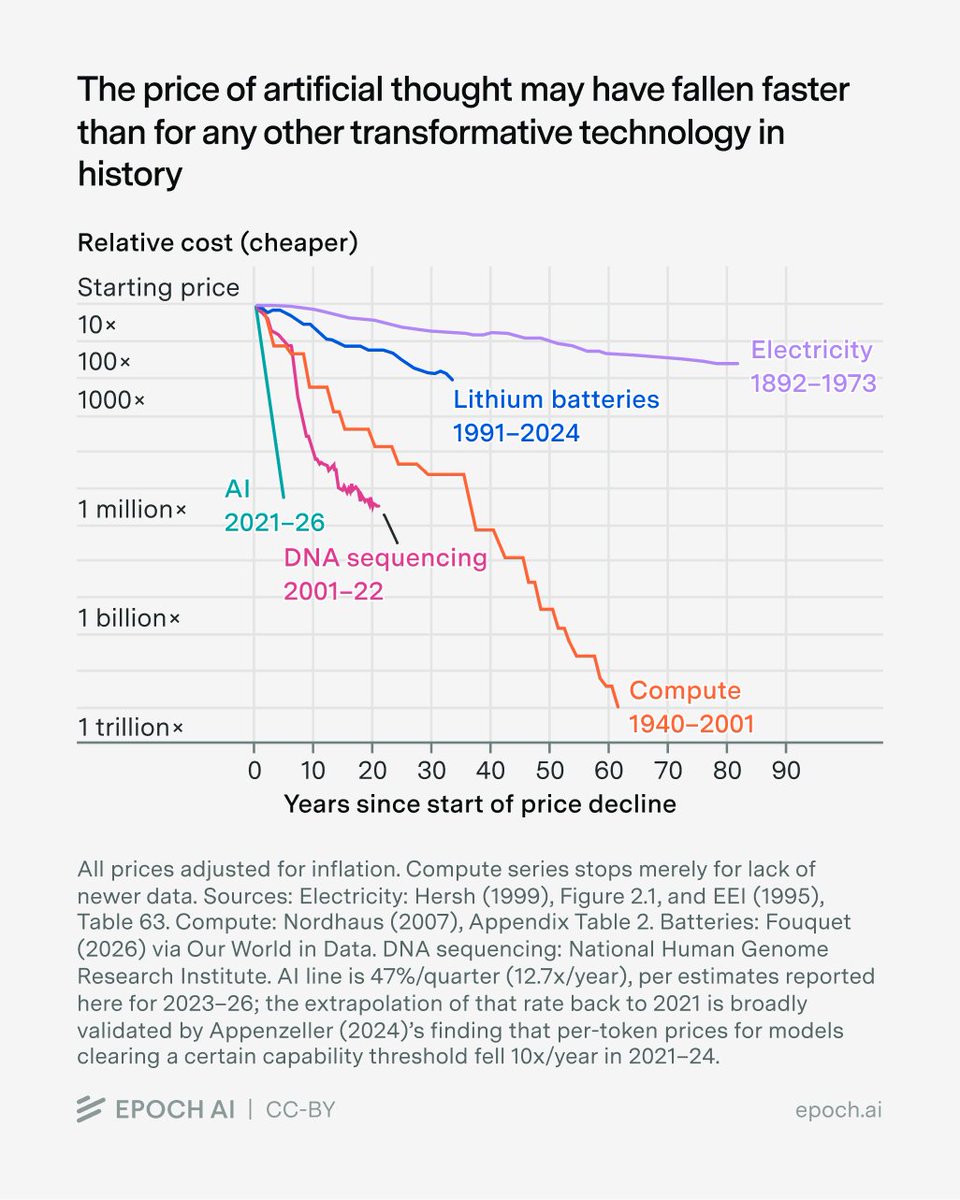
We might have to go back and rebuild a solution that was deployed with the newer models.
So, getting the pricing and expertise we bring to the table needs to align with the new software development cycle and value the solution delivers to the customer.
And investing time and effort in the development of software is displaced with multiple customised artefacts on an AI platform.
Expertise of product management here would involve building multiple iterations of similar functionality products custom to each customers constraints.